Can you buy crypto in Morocco?
Yes, but not through the usual channels. Morocco is one of Africa's most active crypto markets, yet it has no licensed exchange, no Bitcoin ATM and no bank that will process a purchase for you. Most people buy USDT peer to peer, pay in dirhams by bank transfer or at a CashPlus agency, then swap it for Bitcoin.
The numbers above describe a market that grew without permission. In November 2017 the Office des Changes said that transactions in virtual currencies breach Morocco’s foreign-exchange rules. Bank Al-Maghrib, the AMMC and the Ministry of Finance followed with a joint warning. Banks closed the door, and the Office des Changes position has never been withdrawn. Yet by 2024 Chainalysis estimated that Moroccans received about $12.7 billion worth of crypto in twelve months. Private surveys suggest millions of holders, though the governor of Bank Al-Maghrib has questioned how reliable those estimates are.
So how does a student in Fès, a developer in Tetouan or a shop owner in Derb Omar actually buy Bitcoin? Mostly peer to peer. They find a seller on a P2P marketplace, pay dirhams by bank transfer or at a CashPlus counter, and receive USDT held in escrow by the platform. From there, Bitcoin is one click away. This site maps that reality honestly: how the P2P market works, which exchanges treat Moroccan users fairly, what the law says today and how to cash out without getting your bank account frozen.
Best crypto exchanges in Morocco
Ten platforms ranked for people living in Morocco, not for a US or EU audience. Before you read the list, remember that none of them holds a licence from Bank Al-Maghrib or the AMMC, because that licence does not exist yet.
We weighed each platform on six things that matter from Casablanca rather than from London. The first is regulatory standing abroad: registrations and licences you can check on a regulator’s register. The second is dirham access, meaning whether there is a liquid P2P market in MAD with Moroccan banks and CashPlus. Then come fees (spot trading fees plus the hidden cost of the P2P premium), security history, support in Arabic and French, and transparency (published fee schedules and clear country lists). The details are in our review methodology.
CEX.IO takes first place because it combines a long track record with a licensing footprint few rivals match. It has operated since 2013, holds a FinCEN registration and US state money-transmitter licences (NMLS 1804170), and runs an EU entity in Spain. It is a strong place to hold and trade the USDT or BTC you buy elsewhere. One thing to know before you sign up: CEX.IO does not accept Visa or Mastercard deposits from Morocco. Moroccan users fund the account by sending crypto, typically USDT bought on P2P. Our CEX.IO review shows the exact flow.
Binance, Bybit and OKX follow because they host the deepest dirham markets. In our most recent snapshot we counted roughly 610 USDT/MAD ads on Binance P2P, about 290 on OKX and around 140 on Bybit. Ads quoted between 10.34 and 10.40 MAD to buy one USDT. Bitget and KuCoin are useful for copy trading and smaller altcoins, but their MAD markets are thin. MEXC and Gate list the most tokens. Kraken and Coinbase are the most conservative names globally, but neither offers dirham access.
| What you need | Best fit | Why |
|---|---|---|
| A regulated home for BTC/USDT | CEX.IO, Kraken | Long track record, licences in the US/EU/UK |
| Buying with dirhams | Binance, OKX, Bybit | Hundreds of MAD P2P ads, Moroccan bank methods |
| Large amounts (six figures) | Kraken OTC, CEX.IO Prime | Block quotes, USD/EUR settlement |
| Altcoins and new listings | KuCoin, MEXC, Gate | Widest catalogues; higher risk |
Open a free account, complete verification and you are ready to receive the USDT you buy on P2P.
Licensed in several jurisdictions · external linkFive ways to buy crypto in Morocco
Each route has a different mix of speed, cost and legal exposure. Pick the one that matches the money you have, not the one an influencer pushes.
P2P in dirham
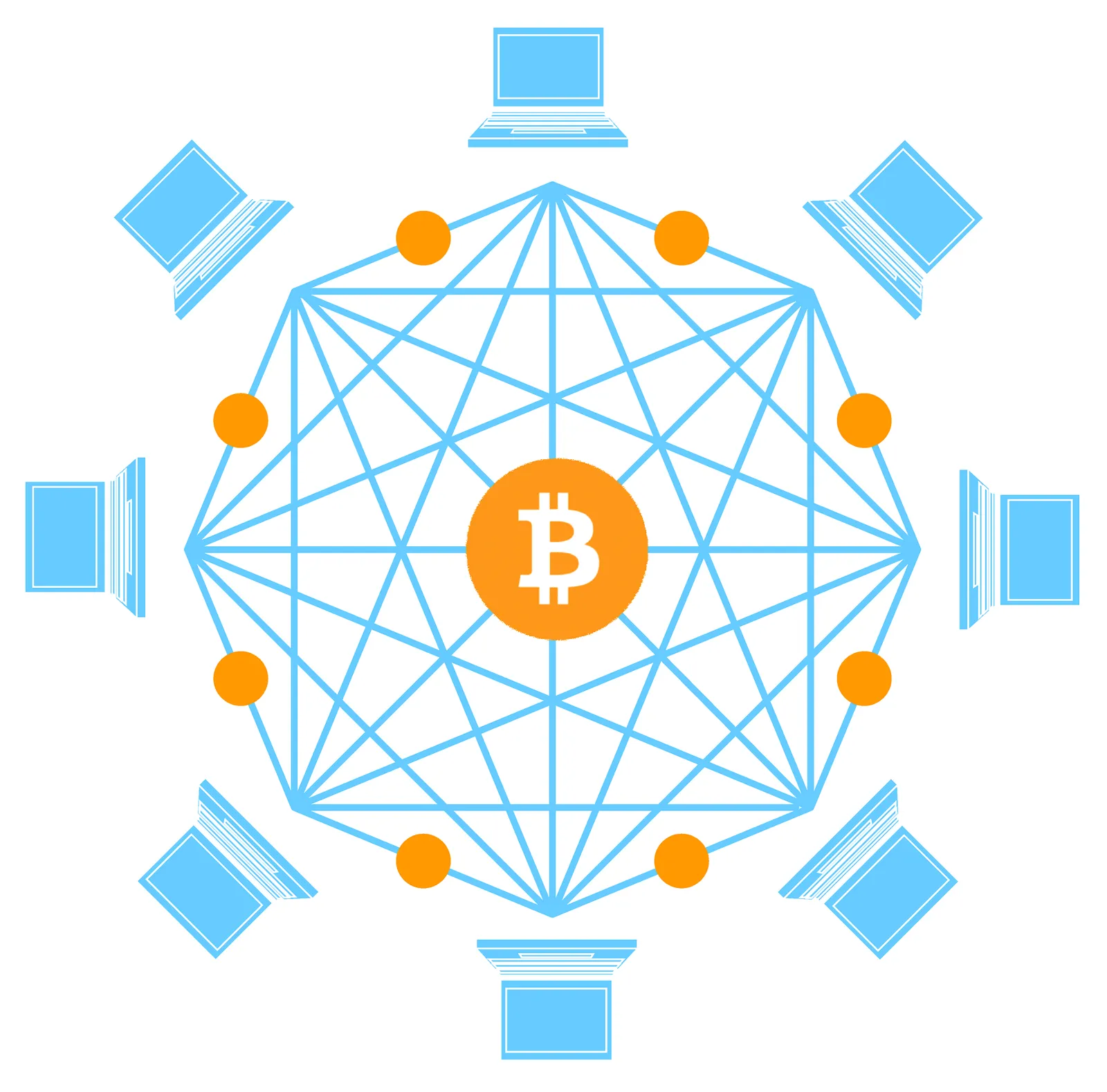
Bank transfer or CashPlus to a verified seller, USDT held in escrow.
Read the guide
How to buy Bitcoin
The quickest safe path from dirhams to Bitcoin, with every decision explained.
Read the guide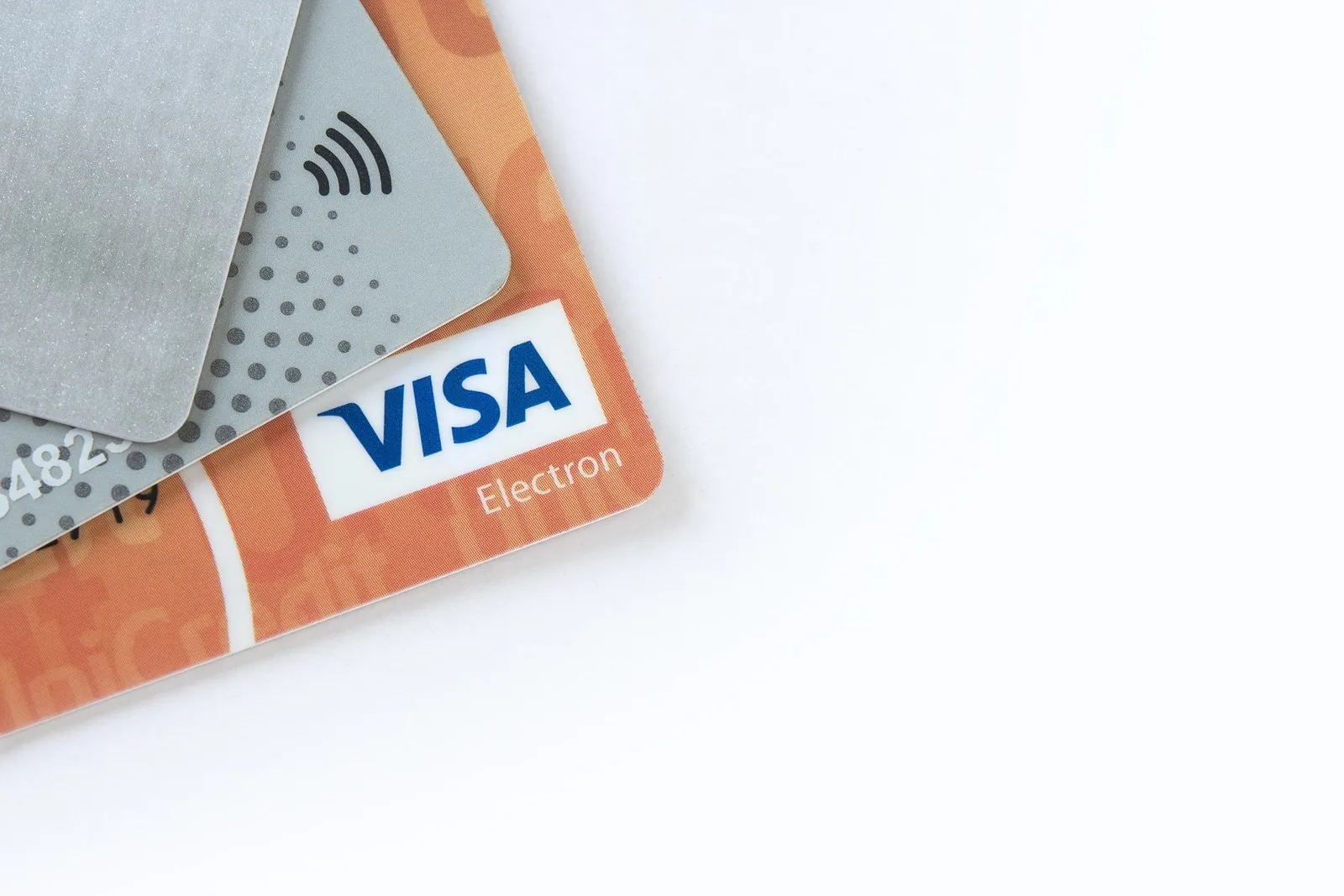
Cards & payments
Why Moroccan cards fail on most exchanges, and what does work.
Read the guide
OTC desks
OTC desks, minimums and settlement for six-figure trades.
Read the guide
Bitcoin ATM
There are none in Morocco. Here is where the nearest ones are.
Read the guide
Sell crypto
Turning USDT back into dirhams without a frozen account.
Read the guide- 1 Pick a verified ad 98%+ completion, hundreds of orders
- 2 Escrow locks the USDT The platform holds the seller’s coins
- 3 Send MAD from your bank Instant transfer in your own name
- 4 Seller confirms and releases Usually within 15–45 minutes
- 5 Swap to BTC or withdraw Spot fee around 0.1%
P2P is the default. That is where the dirham liquidity sits, and it is the route most Moroccan beginners take. You choose an ad on Binance, OKX or Bybit and send dirhams from your own account to the seller’s account. The seller then releases USDT from escrow. Attijariwafa and CIH are the most common payment methods, followed by BMCE (Bank of Africa) and Banque Populaire. Expect to pay around 6% above the official dollar rate. That premium is the price of turning dirhams, which are not freely convertible, into a dollar asset.
Cash still works, through agencies rather than machines. Some P2P sellers accept a deposit at a CashPlus or Wafacash counter. CashPlus alone has more than 5,200 agencies, nearly a quarter of them in rural areas. This route is slower and slightly more expensive than a bank transfer, but it serves people without a bank account.
Cards and PayPal are mostly dead ends. Moroccan CMI-issued cards are limited by the e-commerce allowance set by the Office des Changes. Major on-ramps also block Morocco at their own end: MoonPay does not serve the country, and CEX.IO does not take Moroccan cards. Moroccans abroad (MRE) and expats with a European card are the exception: for them, a regulated exchange is often the fastest route.
OTC desks are for serious tickets. Kraken and Bitget publish minimums of around $100,000, settled in dollars or euros. For a Moroccan resident that only works with a legal basis to hold funds abroad.
Bitcoin ATMs do not exist in Morocco. If you have read otherwise, check our Bitcoin ATM page. We list the nearest real machines in Spain and the closest cash alternatives.
Find the crypto route for your city
Casablanca's market looks nothing like Oujda's. Each city guide covers local banks, cash networks, the communities we could verify and the nearest real options. We never invent shops or ATMs.
Our city guides start from the local economy, not from a template. In Casablanca, the country’s financial centre and home of Casablanca Finance City, the deepest P2P liquidity meets the highest-value OTC-style trades. Rabat hosts all three regulators and a community that follows the law closely. Marrakech and Agadir see tourists and retirees asking how to use euros or crypto they already hold. Tangier and Tetouan sit an hour’s ferry ride from Spain’s nearest Bitcoin machines. Fès and Meknes are student and freelancer territory. Oujda, on the closed Algerian border, has a long history of informal currency exchange that newcomers should approach with care. Kenitra is home to the engineers of the Atlantic Free Zone.
Is crypto legal in Morocco?
Short version: owning crypto is not explicitly criminalised, but using it for payments and moving money abroad through it conflicts with exchange-control rules. A licensing law is on the way but not adopted.
- Office des Changes statement
Virtual-currency transactions declared a breach of exchange regulations.
- Joint warning: BAM, AMMC, Ministry of Finance
The public is warned about the risks; banks stop serving crypto activity.
- Court of Cassation ruling 462/3
Conviction of a Bitcoin intermediary upheld.
- Draft law 42.25 published for comment
AMMC licensing for service providers, BAM oversight of stablecoins.
- BAM: work still ongoing
No date for Parliament yet.
The draft law 42.25 is modelled on the EU’s MiCA regulation. According to the published draft as reported by the press, crypto-assets would be a distinct financial asset class, never legal tender. Service providers would need AMMC approval, and only banks or payment institutions approved by Bank Al-Maghrib could issue stablecoins. Until it is adopted and published in the Bulletin Officiel, nothing changes for you.
What did change in 2026 is enforcement. The Office des Changes sent formal notices to residents suspected of holding crypto abroad, citing P2P transfers made between March and August 2025, and gave them 30 days to justify the funds. Our legal guide explains what that means for an individual. The tax page explains why no official tax rate exists yet.
Price, wallets, safety: the other half of the job
BTC price in MAD
BTC, ETH and USDT in dirhams, with the current P2P premium.
Open the converter
Wallets
Self-custody vs exchange, and the cheapest USDT network for transfers.
Read the guide
Scams & safety
Fake receipts, cloned platforms and the patterns behind Moroccan crypto fraud.
Read the guide
Mining
Electricity tariffs, ASIC imports and why the maths rarely works at home.
Read the guideBuying is only the first step. Where you keep the coins decides who controls them. A self-custody wallet such as Trust Wallet or a Ledger device gives you full control and full responsibility. An exchange account is easier to use, but you rely on the platform. For USDT, the network you choose matters more than most beginners think. Sending on BNB Smart Chain usually costs cents and on TRON around a dollar, while Ethereum can cost several dollars. Our wallet guide covers the choice with Moroccan realities in mind, including the customs duty on imported hardware wallets.
Price is the second trap. The Bitcoin price you see on CoinGecko converted into dirhams is not the price you will pay on P2P. Check both in our BTC to MAD converter before you accept an ad. Then there is safety. The most common losses we hear about in Morocco have nothing to do with hackers. They come from fake bank-transfer receipts, from “investment managers” on Telegram and from cloned trading apps. Ten minutes on our scam guide is the cheapest insurance you will ever buy.
Your first purchase in five steps
- Open and verify an accountPick an exchange from the ranking above and complete KYC with your CIN or passport. Verification usually takes minutes to a few hours.
- Choose a P2P ad carefullyFilter by your bank, sort by completion rate (aim for 98%+ and hundreds of orders) and read the seller’s terms.
- Pay from your own accountUse an instant transfer in your own name, add nothing in the note, and keep the receipt.
- Confirm and receive USDTMark the order as paid only after the transfer has actually left your account. The coins arrive from escrow.
- Convert or withdrawSwap USDT to BTC on the spot market, or send it to a regulated platform or your own wallet.
The full walk-through, with the errors that cost beginners money, is in our guide on how to buy Bitcoin in Morocco. If you are an MRE or an expat with a European card or IBAN, the route is different and usually faster. That guide covers it too.
Create your account now and finish verification before you place your first P2P order.
Licensed in several jurisdictions · external linkCan expats, MRE and tourists use crypto in Morocco?
Moroccans abroad and foreign residents face a different set of rules, usually an easier one. If your salary lands in a euro account in France, Spain, Belgium or the Netherlands, you can buy Bitcoin on a regulated exchange with SEPA or a European card in minutes. Your country of residence decides your tax and reporting duties, not your passport. Many MRE families use crypto to send money home. Before you do, remember that the person receiving it in Morocco still lives under Moroccan exchange-control rules, and that the 2026 notices from the Office des Changes targeted P2P transfers by residents.
Visitors are in a simpler position. Crypto you bought at home stays yours, but you cannot spend it in a riad or a shop. Moroccan merchants may not accept crypto payments, and none do so legally. Change cash at an authorised bureau de change, use your card, and leave your coins where they are. For long stays, digital nomads in Taghazout or Marrakech usually keep their crypto on a European-regulated exchange and pay their living costs in dirhams withdrawn from a card. Our Marrakech guide and Agadir guide go into the local details.
An independent guide, built on checked data
Crypto Morocco is an independent editorial project. We have no partnership, no affiliate deal and no paid placement with any exchange, and the buttons on this site are editorial choices. Every important number shows where it comes from and when we checked it. Green chips mark official sources such as Bank Al-Maghrib, the AMMC, the Office des Changes or an exchange’s legal page. Yellow chips mark aggregators, press and user reports. When we cannot confirm something, we say so. You can read more about us, see how we review or write to us at contact@crypto-morocco.com.
FAQ
Can you buy crypto in Morocco?
Yes, in practice. Most people buy USDT on P2P marketplaces such as Binance, Bybit or OKX and pay by transfer from a Moroccan bank or at a CashPlus agency, then convert to Bitcoin. Legally, the 2017 Office des Changes warning still applies and draft law 42.25 is not adopted, so it remains a grey zone.
What is the best crypto exchange in Morocco?
For Moroccan users we rank CEX.IO first for its long track record and its US, EU and UK registrations, followed by Binance, Bybit and OKX for their dirham P2P markets. None of them holds a Moroccan licence. The right choice depends on whether you need dirham access, low fees or a regulated place to hold your coins.
Is Binance legal in Morocco?
Binance is accessible from Morocco but not licensed there. It runs the largest dirham P2P market, yet neither Bank Al-Maghrib nor the AMMC has authorised it, because no Moroccan crypto licence exists yet. Claims online that Binance holds a Moroccan licence are not backed by any official source.
How much is 1 Bitcoin in Moroccan dirham?
About 800,000 MAD at the global spot price at our latest check, but the figure moves every second, so check our live converter for the current rate. On Moroccan P2P you usually pay about 6% more than the converted price, because buyers pay a premium for dollar assets.
Are there Bitcoin ATMs in Morocco?
No. We found no confirmed Bitcoin ATM in Morocco at the time of writing, and no evidence that one was ever installed. The nearest machines are in southern Spain, across the Strait from Tangier. Moroccans use P2P instead, paying by bank transfer or with a CashPlus deposit.
What is the quickest way to buy Bitcoin in Morocco?
For most people: verify on a P2P platform, buy USDT from a highly rated merchant by instant transfer from Attijariwafa, CIH, BMCE or Banque Populaire, then swap USDT to BTC. With a verified account it typically takes 15 to 45 minutes.